
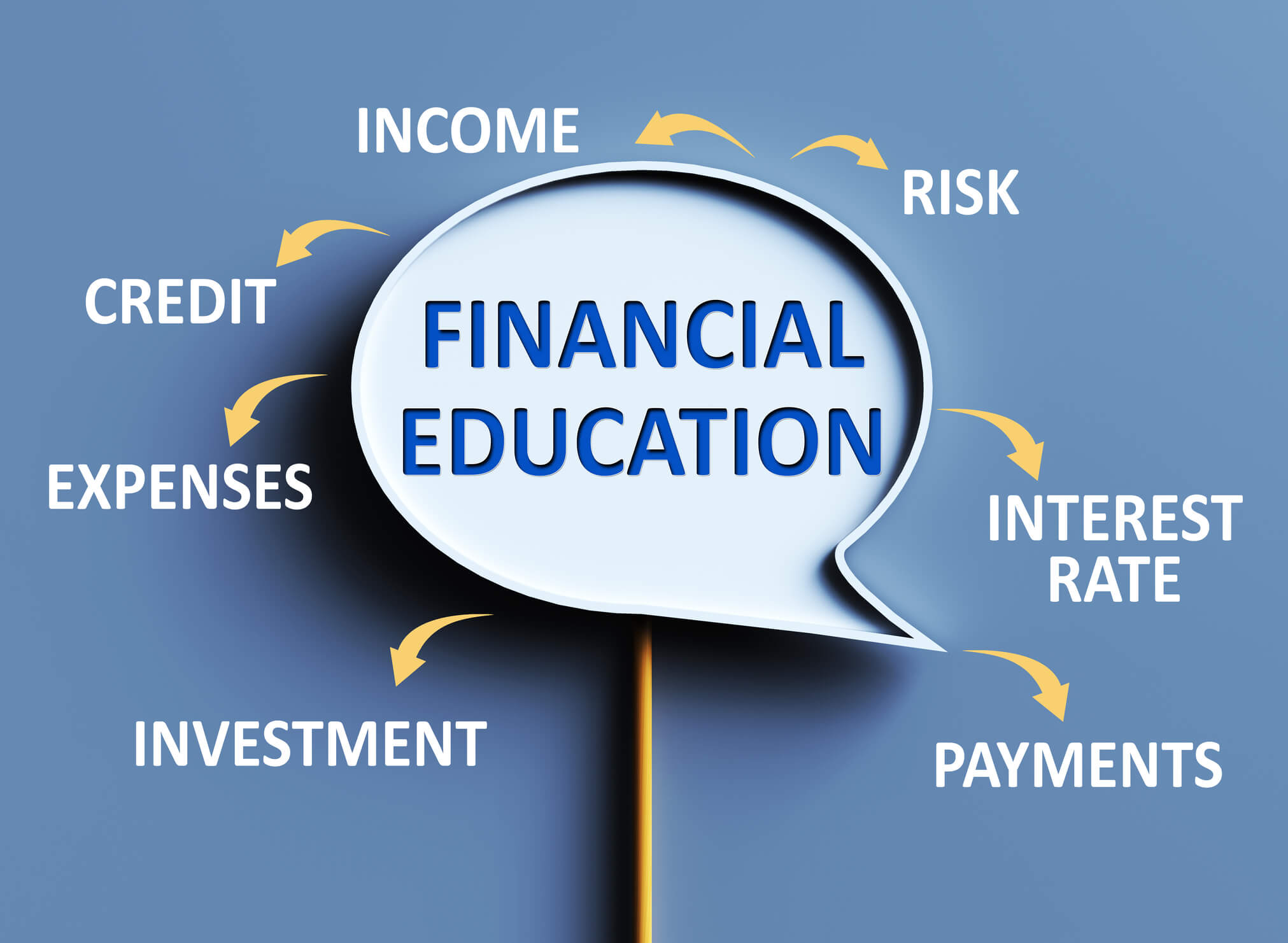
Money problems are among the most common challenges people face throughout life. Many adults struggle with debt, low savings, and constant financial stress. In most cases, these struggles do not appear suddenly. They develop gradually due to poor money habits and a lack of financial knowledge.
Financial education helps you understand how money works and how to manage it responsibly. When you learn about money early, you are better prepared to avoid mistakes that can lead to long-term financial difficulties. Additionally, using a trusted instant loan app can teach practical skills for managing short-term borrowing safely and efficiently.
This blog explains how financial education plays a key role in preventing money struggles and building a stable financial future.
What Is Financial Education?
Financial education is the process of learning how to earn, spend, save, and manage money wisely. It includes understanding income, expenses, budgeting, savings, loans, investments, and financial planning.
Financial education is not about becoming rich quickly. It is about using the money you have in a planned and responsible way so that you remain financially secure over time.
Why Do Long-Term Money Struggles Happen?
Many people face financial problems because they were never taught how to manage money properly. Without financial education, you may spend without planning, save very little, or rely heavily on credit. In such situations, a loan for salaried individuals can provide timely financial support while helping you manage expenses responsibly.
Over time, these habits lead to debt, financial stress, and instability. Financial education helps prevent these issues by building awareness, discipline, and better decision-making skills.
How Financial Education Prevents Long-Term Money Struggles
Financial education supports smart financial behaviour over time. It helps you understand the impact of your choices and encourages responsible habits. The following points explain how financial education protects you from long-term money problems.
1. Teaches the Importance of Budgeting
Financial education helps you learn how to create and follow a budget. Budgeting allows you to track income and expenses and control unnecessary spending.
When you know where your money goes, you are less likely to overspend and more likely to stay financially organised.
2. Encourages Regular Saving Habits
Saving is a core lesson in financial education. You learn that saving small amounts regularly is more effective than saving large amounts occasionally.
Regular savings help you manage emergencies and future expenses without depending on loans.
3. Builds Awareness About Debt and Loans
Financial education explains how loans, credit cards, and interest work. This knowledge helps you avoid unnecessary borrowing and misuse of credit.
When you understand debt clearly, you are more likely to borrow carefully and repay on time.
4. Supports Long-Term Financial Planning
Financial education encourages you to think beyond short-term needs. You learn to plan for goals such as education, buying a home, healthcare, and retirement. Early planning reduces financial pressure and increases stability later in life.
5. Reduces Financial Stress and Anxiety
Money problems often cause mental stress and worry. Financial education gives you clarity and control over your finances.
When you know how to manage money, you feel more confident and less anxious about the future.
6. Improves Spending Decisions
Financial education helps you distinguish between needs and wants. This reduces impulse buying and unnecessary expenses.
Better spending decisions protect your savings and support long-term financial security.
7. Introduces Basic Investment Knowledge
With financial education, you learn the basics of investments such as fixed deposits, mutual funds, and long-term savings options.
Understanding investments helps your money grow over time and reduces dependence on regular income alone.
8. Builds Financial Discipline and Responsibility
Financial education promotes discipline and consistency. You learn to follow plans, save regularly, and avoid risky financial behaviour.
These habits protect you from financial mistakes that cause long-term struggles.
The Role of Financial Education at an Early Age
Learning about money at a young age creates strong financial habits. Schools, colleges, and families play an important role in teaching basic financial concepts.
Early financial education prepares you for real-life responsibilities and helps you avoid common money mistakes.
How Financial Education Improves Quality of Life
When your finances are stable, your overall quality of life improves. You can focus more on personal growth, relationships, and career development.
Financial education allows you to make confident life decisions without constant money worries.
Conclusion
Financial education is a powerful tool for preventing long-term money struggles. It teaches budgeting, saving, responsible borrowing, investing, and future planning. These skills protect you from debt, stress, and financial instability.
By learning and applying financial education early, you can build a secure and balanced financial life. Good money knowledge today leads to fewer struggles and better choices in the future.